
From infection prevention audits to accreditation visits, health services are increasingly expected to demonstrate not only that linen and reusable textiles are processed safely, but that every step is documented and verifiable.
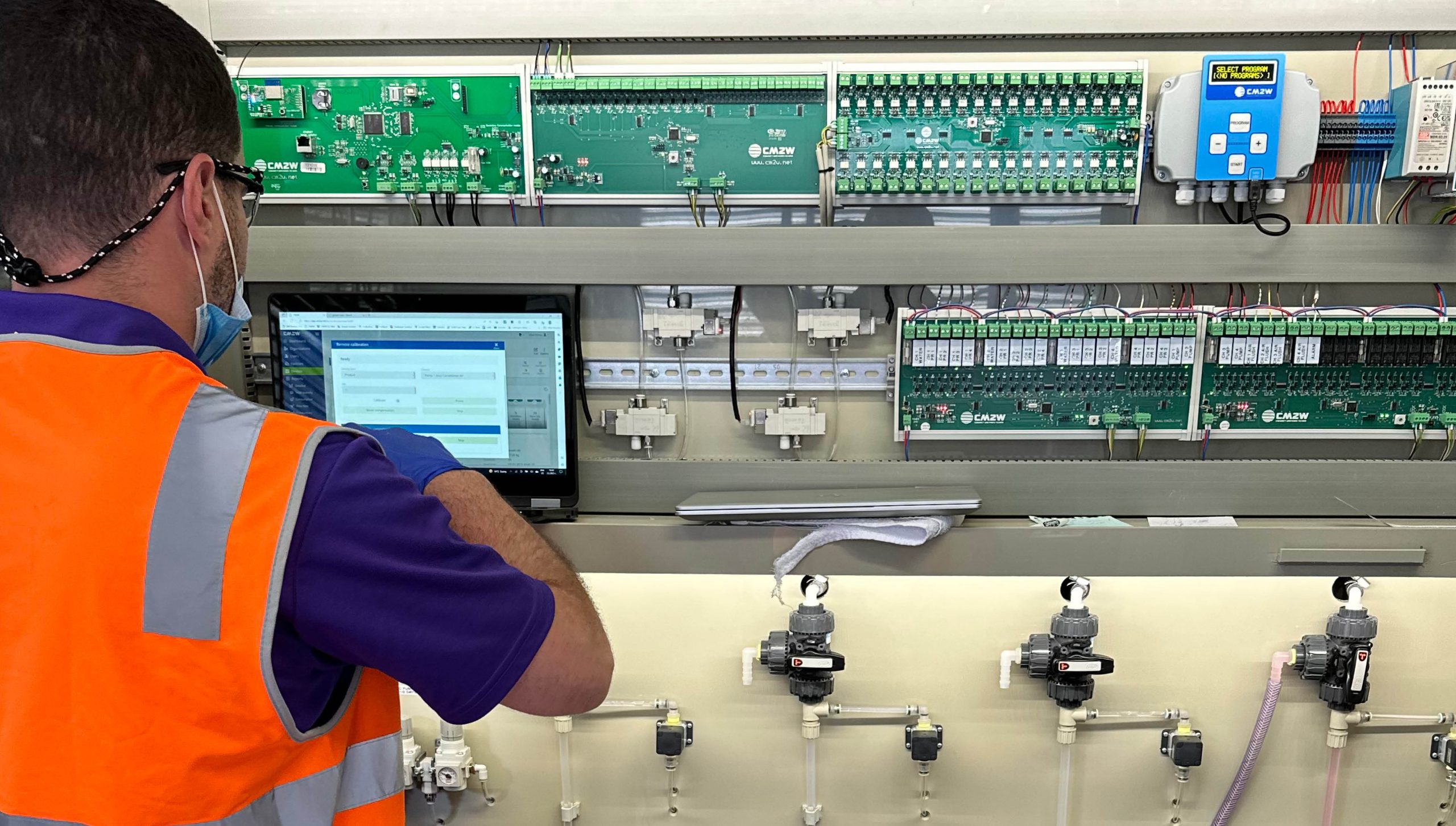
That’s where digital traceability comes in. When laundries and healthcare facilities move from paper logs and manual checks to automated, data-backed systems, they gain a clear compliance advantage — and a safer outcome for patients and staff.
Why traceability has become non-negotiable
Australia’s healthcare regulators are explicit: organisations must manage infection risks in linen handling and laundering, and show evidence that controls are working.
- The NSQHS Preventing and Controlling Infections Standard requires services to evaluate and respond to infection risks in areas including handling, transporting and storing linen.
- AS 4146:2024 Laundry practice sets expectations for safe processing, transport, storage, and quality systems across hospital and institutional laundries.
These standards share a theme – if you can’t show the chain of control, you don’t really control it. Digital traceability turns day-to-day laundering into a defensible compliance record.
What digital traceability means in a healthcare laundry
Digital traceability is the ability to track, record and retrieve laundering and hygiene data for every load, every shift and every location. In practice, this can include:
- Automated chemical dosing records
- Cycle confirmation
- Correct product use matched to linen type and soil risk
- Exception flags when a load falls outside validated parameters
- Dashboards and reports for audits and continuous improvement.
Instead of relying on a checklist that may be incomplete or illegible, laundries can provide a time-stamped, system-generated record aligned to healthcare expectations.
How traceability supports compliance
Validating consistent infection control
Healthcare linen must be processed in a way that reliably reduces bioburden and cross-contamination risk. AS 4146 emphasises controlled processes and documented systems to ensure laundering outcomes are consistently safe.
Digital traceability demonstrates that:
- Validated wash formulas are used every time, and
- Controls don’t drift unnoticed between audits.
Strengthening NSQHS accreditation evidence
Accreditation teams look for evidence that systems are in place and working, particularly around infection prevention. Having digital reports that show wash performance, chemical compliance and corrective actions provides the kind of objective evidence NSQHS expects.
Improving incident response and root-cause analysis
If a contamination concern arises, a traceable system lets you quickly answer:
- Which loads were involved?
- What formula ran?
- Were parameters met?
- Who was on shift, and what corrective action occurred?
That speed matters for patient safety, and it protects your organisation during investigations.
Builds a defensible record-keeping culture
Healthcare standards increasingly expect long-term retention of critical hygiene records (as seen in other reprocessing domains such as AS 5369, which reinforces robust documentation and traceability).
Digital systems make retention and retrieval simple, with no more chasing paper folders across sites.
The operational benefits you feel every day
Compliance is only part of the story. Traceability also drives real-world performance improvements:
- Reduced rewash and rejected linen through tighter control
- Lower chemical and utility waste with accurate dosing
- Better staff confidence and training, because expectations are clear and measurable
- Continuous improvement, using trend data rather than guesswork.
Basically, the same tools that keep you compliant also make your laundry more efficient and predictable.
How JayChem provides digital traceability
At JayChem, we support healthcare laundries with chemistry, dispensing technology and process improvement designed for regulated environments. When chemical delivery and wash performance are digitally tracked with JayCloud, you gain:
- Consistent formulas validated to your linen mix and soil risk
- Automated proof of correct dosing and cycle completion
- Clear audit trails aligned with AS 4146 and NSQHS expectations.
Digital traceability works best when chemistry and dispensing are engineered together – because you can’t verify outcomes without controlling inputs.
Healthcare regulations are moving steadily toward measurable, evidence-based hygiene systems. Digital traceability is no longer a “nice to have” – it’s rapidly becoming the easiest way to:
- Demonstrate compliance,
- Reduce infection risk, and
- Run a smarter, more sustainable laundry operation.
If your organisation is reviewing its linen program against the latest standards, JayChem can help you design a digitally traceable solution that meets today’s requirements.