
Dispensing systems are often overlooked when assessing operational safety in laundry facilities.
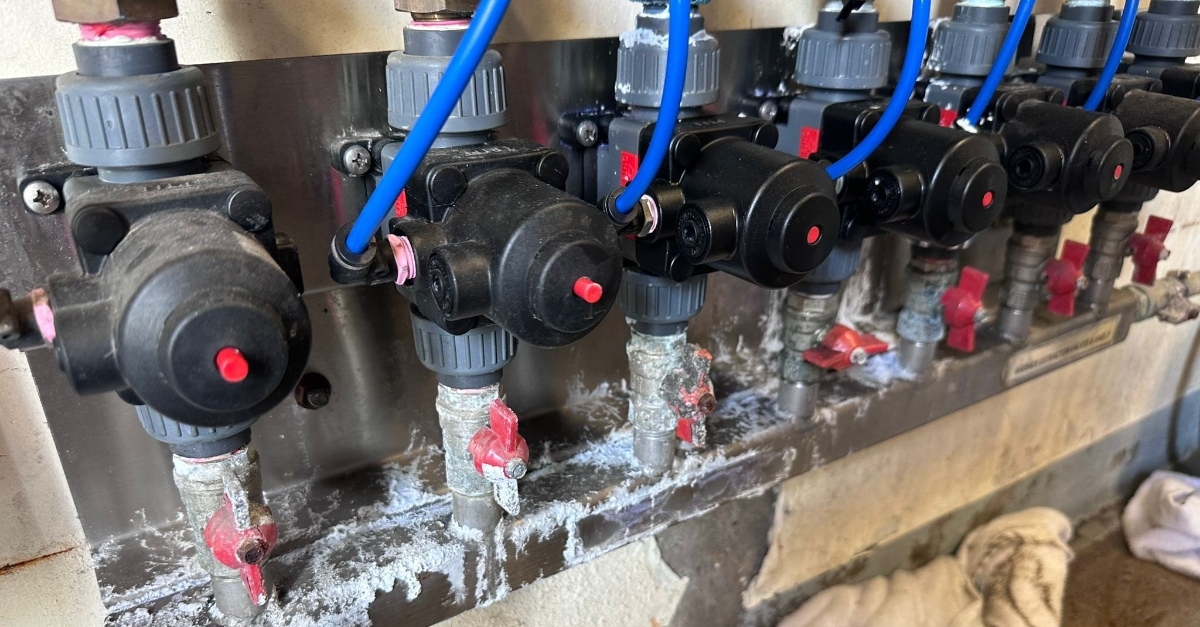
Equipment that has been in place for decades may still appear to function, leading to the assumption that it presents little risk.
However, legacy dispensing infrastructure can introduce a range of hidden safety hazards. Ageing components, outdated design standards and limited monitoring capabilities can expose staff, operators and facilities to avoidable risk. What may seem like a routine part of the washroom environment can, in reality, become a significant point of vulnerability.
Ageing equipment increases operational risk
Like any mechanical or electrical system, dispensing equipment deteriorates over time. Hoses harden and crack, fittings loosen, seals degrade and internal components become less reliable.
These failures are rarely dramatic at first. More often, they manifest as slow leaks, inconsistent dosing or intermittent faults that go unnoticed until they escalate.
Over time, this deterioration can result in:
- Chemical leaks or spray hazards
- Incorrect dosing that compromises wash quality
- Increased exposure to hazardous substances
- Unexpected equipment failures during operation.
In laundry facilities where chemicals are routinely used, even small leaks or faults can present serious safety concerns for staff.
Outdated designs may not meet modern safety standards
Dispensing systems installed many years ago were built to the safety expectations of their time. Since then, workplace safety standards and risk management practices have evolved significantly.
Older systems may lack essential protective features now considered standard, such as:
- Secure, lockable cabinets to restrict unauthorised access
- Safety shut-off mechanisms in the event of faults
- Proper isolation of electrical components
- Protective housings designed for industrial environments.
In some environments, particularly high-security or institutional facilities, these limitations can create unacceptable exposure. Electrical components or chemical lines may be accessible to unauthorised personnel, introducing both safety and security risks.
Modern dispensing systems are designed with safety as a core requirement, ensuring critical components are properly protected and controlled.
Lack of monitoring hides problems until they escalate
Another major limitation of legacy systems is the absence of monitoring and reporting capabilities. Without digital oversight, operators often have little visibility into whether chemicals are being dispensed correctly. Problems such as blocked lines, empty containers or faulty pumps may go undetected for extended periods.
In regulated sectors such as healthcare and aged care, the inability to verify chemical delivery can undermine confidence in the entire laundry process.
The role of modern dispensing technology
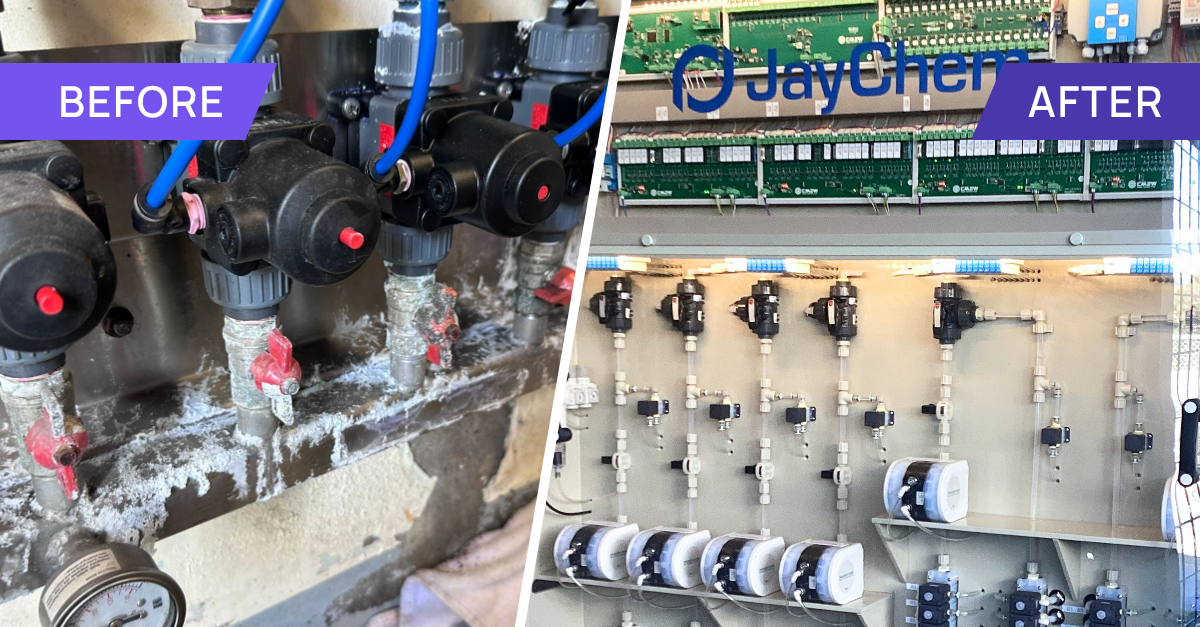
Modern dispensing systems are designed to eliminate many of the risks associated with older infrastructure. Advanced technology allows laundries to move from reactive management to controlled, data-driven operation.
Features such as automated dosing, digital monitoring and secure system design help to ensure accurate and consistent chemical delivery, early detection of faults or irregularities, and greater visibility into chemical consumption and equipment performance. By integrating chemistry, dispensing hardware and digital monitoring platforms, modern systems provide a safer and more reliable washroom environment.
Creating safer, more controlled laundry operations
Legacy dispensing systems often remain in place simply because they appear to function. Yet the hidden risks associated with ageing equipment, limited monitoring and outdated safety design can compromise both operational performance and workplace safety. Upgrading dispensing infrastructure is not simply an operational improvement. It is a critical step in reducing risk, protecting staff and ensuring consistent hygiene outcomes.
At JayChem, we work with laundries across Australia to replace ageing systems with secure, automated and digitally monitored dispensing solutions. By combining advanced chemistry with intelligent dispensing and real-time visibility, facilities can operate with greater confidence, safety and control.
If your laundry is still operating with legacy dispensing equipment, it may be time to reassess the role this infrastructure plays in your overall safety and compliance strategy.