
Across healthcare, aged care, hospitality and commercial sectors, expectations are increasing. Hygiene requirements are tightening, sustainability targets are under greater scrutiny and, according to IBISWorld research, rising wages and higher input costs amid a skilled labour shortage are squeezing margins across the industry, forcing facilities to do more with less.
Maintaining current performance is no longer enough. The operations that will hold up over the long term are those built to adapt, scale, and perform consistently as the industry continues to change.
What’s driving the pressure on commercial laundries right now?
Regulatory requirements are becoming more specific, particularly in healthcare and aged care.
Currently, AS 4146:2024 sets the benchmark for laundry practice across commercial, hospital and institutional settings, while the Aged Care Quality and Safety Commission requires providers to have infection prevention and control systems in place. Compliance has always been expected, yet proving it consistently, and on demand, is where the pressure now lies.
Client expectations sit alongside this. In healthcare, aged care and hospitality, consistent quality and reliable turnaround are part of the service. When linen performance slips, it is the patients, residents and guests who feel it first.
Sustainability expectations have hardened into operational requirements, too. NSW Government water efficiency data show that the washing process accounts for 92% of total water use in a typical commercial laundry. Every unnecessary rewash cycle draws on that same pool of water, energy, chemistry and machine time, and on tighter margins. Those cycles carry a cost that compounds quickly.
Move from reactive to controlled operations
Many laundries still operate reactively, responding to wash quality issues, complaints, chemical shortages, or equipment faults as they arise. In practice, this stop-start approach creates downtime, inconsistent results and costs that are difficult to trace back to a single cause. It limits the ability to improve performance over time.
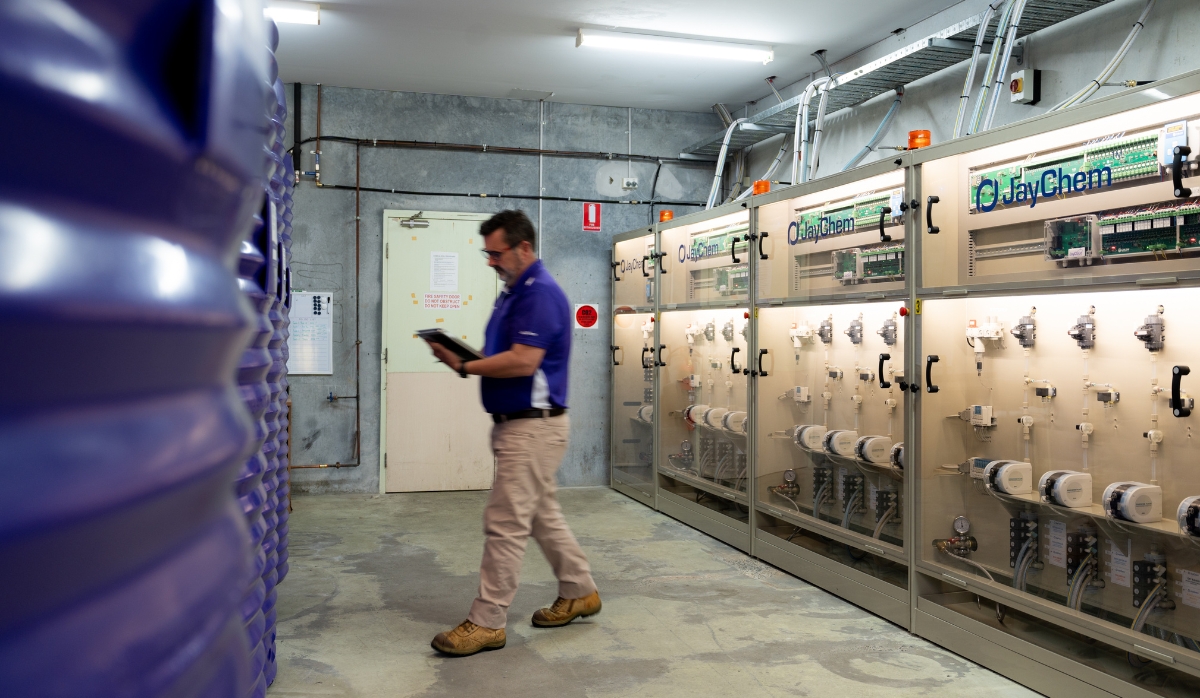
Controlled operations, on the other hand, look different on the floor. Dosing is accurate and consistent. Wash temperatures are validated. When something changes, like a new linen type or a heavier soil load, the team finds out before it becomes a rewash run.
Establishing that level of control requires chemistry, dispensing, and monitoring to work as one program. When they do, there are fewer variables left to chance.
A well-designed program keeps performing when conditions change
A future-proof laundry is defined by how well the system can adapt as conditions change. This may include the ability to adjust to variations in linen mix, soil load and production volume, as well as evolving compliance requirements and customer expectations.
Flexible, well-designed systems make this possible. When chemistry, dispensing and operational processes are aligned, facilities can make adjustments without disrupting performance.
How to strengthen visibility and decision-making
Without access to accurate, timely information, it can be difficult to understand how an operation is performing or where improvements can be made. As a result, decisions are often based on assumptions rather than evidence.
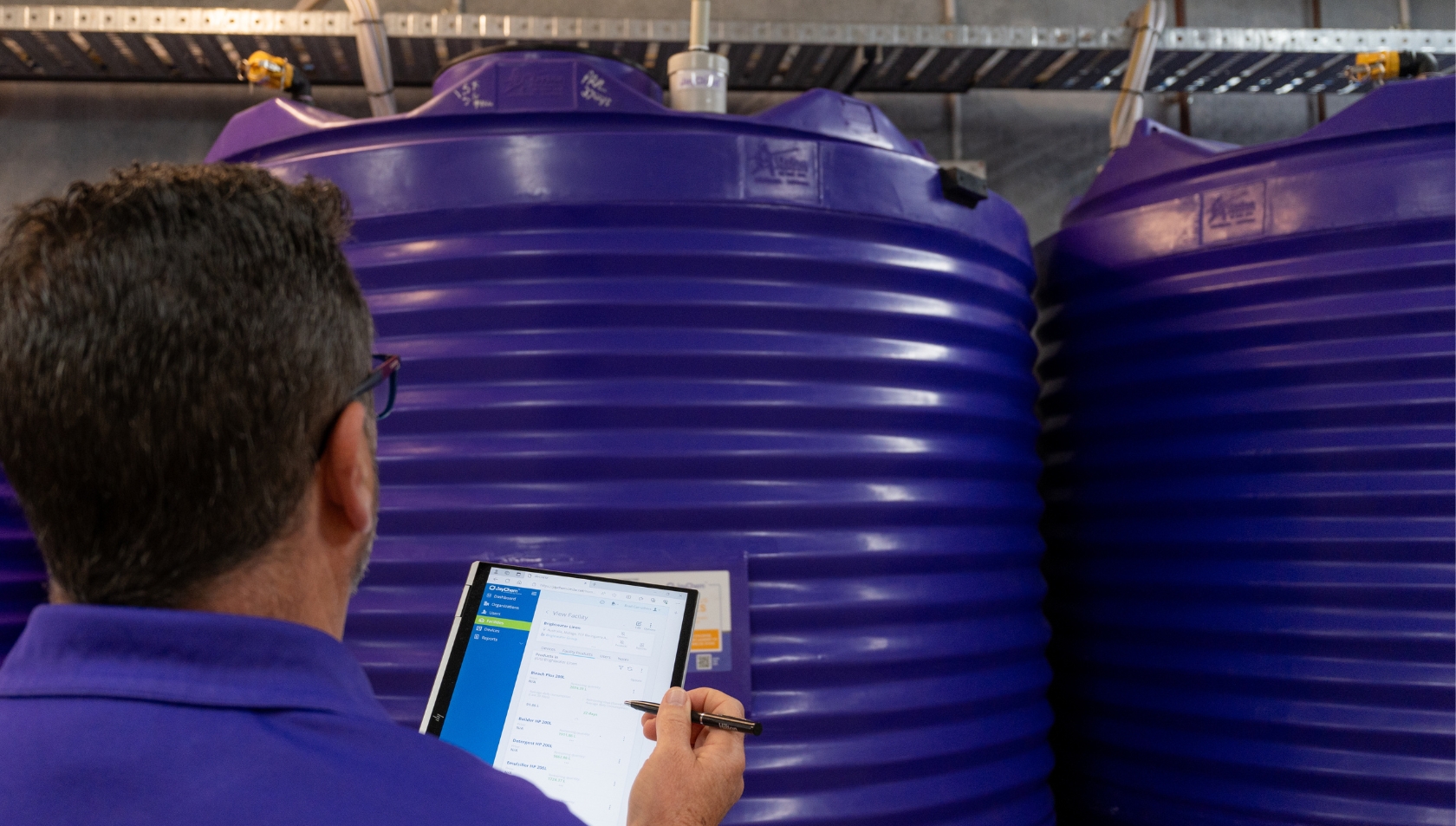
Modern laundry environments are increasingly supported by digital platforms that provide real-time and historical insights into performance. These systems allow operators to monitor chemical usage, track equipment performance, and identify trends over time.
With this level of visibility, facilities can make informed decisions that improve efficiency, reduce waste and support compliance requirements.
Why chemistry, dispensing and monitoring need to work as one
Achieving this level of resilience requires an integrated approach. When chemistry, dispensing systems and digital monitoring are aligned, facilities gain greater consistency, improved visibility and stronger operational control. And when something changes, the program can be adjusted with confidence rather than guesswork.
Is your current program built for where the industry is heading?
The laundry industry will continue to evolve, and the margin for error will continue to narrow. Facilities that invest in control, visibility and adaptability will be best positioned to meet these challenges.
Future-proofing is about building programs that are ready for changing conditions. If your operation is focused on long-term performance, now is a good time to review whether your current setup is designed to support it.
JayChem works with commercial laundries to align chemistry, dispensing, monitoring, training, and service into a single connected program. Get in touch to find out what that can look like for your operation.